
Safest Betting Sites for Worry-Free Wagers in 2025
Ever wonder how to find a platform where your money feels genuinely protected? Safest betting sites are simply those operators that combine transparent payout processes, verified payment methods, and clear terms of service into one stress-free experience. You can use them by sticking to platforms with proven track records, setting deposit limits, and always reading the fine print before placing a wager. The real benefit is peace of mind—you focus on the game, not on whether your winnings will actually arrive.
How to Spot a Truly Secure Betting Platform Before You Deposit
Before you deposit, a truly secure betting platform will always display visible trust signals right on its payment page. Check for SSL encryption by looking for the padlock icon and „https://“ in your browser bar—if it’s missing, walk away. Next, test the withdrawal process: a secure site lets you verify your identity early, not after you’ve funded your account, so you’re not locked out later. Also, scan for independent audit badges (like eCOGRA or iTech Labs) near the footer, which prove payouts are actually tested. Finally, try a live chat agent with a fake question about deposits; a safe betting site will give direct, specific answers about fund protection, not vague reassurances. If any of these feel off, trust your gut and find another place to bet.
What Specific Security Features Should You Look For in an Online Bookmaker?
When evaluating an online bookmaker before depositing, prioritize visible two-factor authentication (2FA) as a non-negotiable account safeguard. Check if the site enforces mandatory re-authentication for withdrawals or password changes, not just logins. Look for session timeout controls that automatically log you out after inactivity, and verify that payment pages use dedicated TLS certificates (indicated by a padlock icon). Additionally, confirm the bookmaker offers granular betting limits and self-exclusion tools, which prevent unauthorized account manipulation. Avoid platforms that only offer email-based recovery, as this is a weak vector. A truly secure bookmaker will never store your full card details; instead, they should redirect you to tokenized payment gateways.
- Mandatory 2FA for every login and withdrawal request
- Real-time transaction alerts via SMS or authenticator app
- Device management page to revoke active sessions instantly
- Encrypted chat support with verified identity before sharing account data

Why Checking Payment Method Encryption Is the First Step to Safety
Before any deposit, your financial data travels through the digital ether—and payment method encryption is the only shield against interception. If a platform lacks TLS 1.3 or AES-256, your card details and e-wallet credentials become readable text for cybercriminals. Check the padlock icon in the address bar and inspect the site’s security certificate for validity; a broken or expired cert is a red flag. This first step verifies that your money moves through a secure tunnel, not an open highway. Skipping this audit means trusting blind, which defeats the entire purpose of selecting a safest betting site. Encryption is your gatekeeper; confirm it before you commit a single cent.
Step-by-Step Guide to Verifying a Site’s Fair Play and Payout Reliability
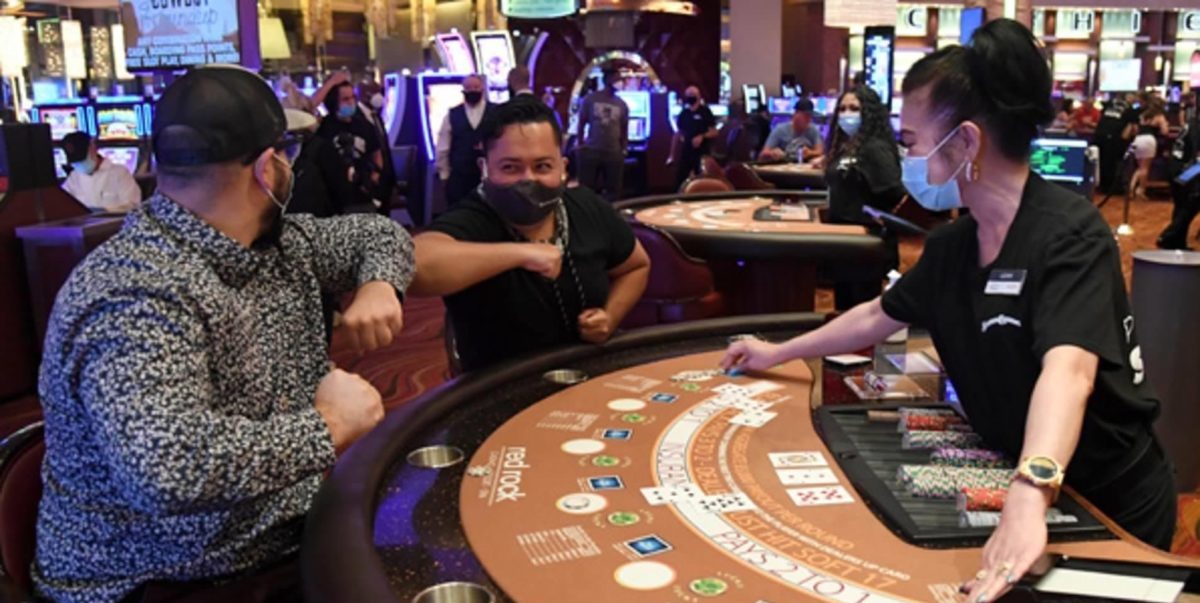
To lock in a safest betting sites pick, start by checking the site’s published payout percentage—look for a certified RNG report or an independent audit seal on the footer. Next, search for user withdrawal timestamps on forums or Trustpilot; if winners consistently post proof of prompt payments, that’s a green light. Then, test the cashier yourself with a small deposit and request a trial withdrawal—note how long it takes and whether any hidden fees appear. Finally, scan the terms for “wagering requirements” on winnings and any max payout caps. If the process feels smooth and transparent through every step, you’ve found a solid step-by-step guide to verifying a site’s fair play and payout reliability in action.
How to Test Customer Support Speed and Helpfulness as a Safety Metric
To test support speed as a safety metric, send a time-sensitive query about a pending withdrawal or a bonus terms clarification via live chat, then measure the response interval; reliable sites typically reply within two minutes. For helpfulness, pose a multi-layered question—such as asking about wagering requirements for a specific payment method—and evaluate whether the agent resolves it without redirecting you to a generic FAQ page. Cross-check the response against the site’s actual rules; a vague or contradictory answer signals poor safety oversight. Repeat this test at least three times across different hours to confirm consistent quality. Prioritize sites where agents verify your account details before answering, as this demonstrates security-conscious support. This support responsiveness audit directly reveals whether the operator prioritizes player protection over deflection.
What Clear Terms and Conditions on Bonuses Actually Tell You About Trustworthiness
Clear bonus terms are your first real peek behind the curtain. When a site spells out wagering requirements, max bet sizes, and game contribution rates in plain language, it shows they expect you to actually win. Vague phrases like „terms apply“ or buried clauses about confiscating winnings for „irregular play“ are red flags. A trustworthy operator will tell you exactly which bets count toward rollover and how long you have to use the bonus. Look for transparent bonus conditions that protect your withdrawal rights. If the math on your bonus is easy to calculate upfront, you’re likely dealing with a site that won’t invent excuses later. Check for:
- Explicit wagering multiplier (e.g., 35x, not „up to“).
- Clear list of excluded games or bet types.
- A simple, visible expiration date.
If any of those are missing, assume the worst—hidden traps usually mean they’re betting on you giving up.
Top Practices to Protect Your Personal Data While Betting Online
To ensure your information stays secure on the safest betting sites, always activate two-factor authentication (2FA) immediately after registration, as this single step blocks unauthorized access even if your password is compromised. Use a unique, complex password exclusively for your betting account, never reusing credentials from other platforms, and store it in a reputable password manager. Before entering any financial details, verify the site’s URL features a padlock icon and begins with “https,” indicating encrypted transmission. Additionally, avoid saving payment methods directly on the platform; instead, opt for e-wallets like PayPal or Skrill, which act as a buffer between your bank and the bookmaker. Finally, regularly review your login history and device list, promptly revoking any unfamiliar sessions—a core practice among the safest betting sites to maintain total data integrity.
How to Use Two-Factor Authentication and Strong Passwords Effectively
Activate two-factor authentication on every betting site that offers it, prioritizing app-based authenticators over SMS codes to block SIM-swapping attacks. Pair this with a unique, 16-character password generated by a password manager—never reuse credentials across gambling platforms. Set your 2FA to require a fresh code for each login, especially on public Wi-Fi, and disable “remember this device” to force verification on new sessions. Store backup codes offline, and rotate your password quarterly. This layered defense ensures that even if your username leaks, your account stays locked, keeping deposits and identity shielded from credential-stuffing bots.
Why Setting Deposit Limits Is a Core Feature of a Responsible and Safe Operator
Setting deposit limits is a core feature of a responsible and safe operator because it directly curbs the financial exposure of your betting account. By pre-defining a maximum monthly or weekly contribution, you reduce the amount of capital at risk if your credentials are compromised. A trustworthy site makes these caps mandatory before any live wagering begins, not as an afterthought. Effective deposit limits act as a hard stop against impulse-driven losses and unauthorized over-spending. This mechanism ensures that even a data breach cannot drain more than your pre-agreed threshold. To implement this safeguard:
- Log into your account settings and select a fixed limit below your typical monthly entertainment budget.
- Activate a Best Online Sports Betting Sites 24-hour cooling-off period for any limit increase to prevent rash adjustments.
- Review your limit quarterly to match your current bankroll.
When an operator enforces these spending boundaries without exception, they prioritize your financial safety over their revenue, which is the definitive marker of a secure platform.
Understanding Withdrawal Speed and Cash-Out Options as a Sign of Financial Security
Withdrawal speed is a direct, practical measure of a safest betting site’s financial health, as slow payouts often signal liquidity problems or hidden reserve requirements. On a secure platform, you should expect e-wallets and cryptocurrencies to clear within minutes to a few hours, while bank transfers may take 1–3 business days—any deviation from these norms warrants caution. Cash-out options also reflect security: a site allowing partial or full cash-outs at fair, real-time values demonstrates it holds sufficient funds to honor unsettled bets without forcing you to wait for event completion. However, an instant cash-out offer on a major parlay is not always a sign of strength, as it may carry a heavy built-in margin. Before depositing, verify the stated processing times against the actual terms for your chosen method, and test a small withdrawal first—this confirms the site’s payout pipeline is both fast and frictionless, which is the core evidence of financial solvency you can rely on.

How to Identify Hidden Withdrawal Fees and Unfair Limits Before Playing

Scrutinize the cashier’s terms before depositing, as hidden withdrawal fees often lurk in the fine print. Open the full payout policy and search for “processing charge,” “network fee,” or “currency conversion” strings—these can add 2–5% per transaction. Cross-check the minimum and maximum cash-out thresholds: a site advertising $20 minimums but silently enforcing weekly caps of $500 is a red flag. Look for “rolling limits” that reset only after 24–48 hours, effectively stalling large payouts. Test with a small deposit and immediate withdrawal request; if the fee changes between the terms page and the actual transaction screen, that discrepancy signals an unfair limit. Also, verify whether fees are flat or percentage-based on your exact payment method, as e-wallets often carry separate surcharges absent from the bank wire clause.
What Payment Methods Offer the Highest Level of Transaction Safety
For the highest transaction safety on betting sites, e-wallets with mandatory two-factor authentication such as Skrill or Neteller offer superior isolation from your bank account. Unlike direct credit card entries, these act as financial firewalls, ensuring your primary banking credentials are never exposed to the operator. Cryptocurrency, specifically Bitcoin via a private blockchain, provides immutable, irreversible transactions that eliminate chargeback fraud risks, though you must secure your own wallet. Bank transfers, while traceable, expose sensitive IBAN details. Prepaid cards, like Paysafecard, rank safest because they carry no linked account data, making interception useless. Always prefer methods that require an extra verification step, not just a password, for each withdrawal initiation.
How to Leverage Self-Exclusion and Cooling-Off Tools for a Safer Experience
When you choose the safest betting sites, self-exclusion isn’t a punishment—it’s your personal reset button. I once watched a friend schedule a cooling-off period for just 72 hours after a rough week, and that short pause let his impulses settle before he logged back in. Start by setting a mandatory break before any major event, like a derby or title race, because that’s when adrenaline overrides logic. Activate self-exclusion for longer stretches if you notice a pattern, not just a single bad day, and treat it as a contract with yourself rather than a lockout. Pair these tools with a withdrawal freeze to make funds harder to reach, and schedule reminders to review your exclusion status monthly. The quietest wins often come from stepping away before the game even tempts you. Finally, use the site’s custom limits to block specific features—like in-play betting—during your cool-down, ensuring the break feels intentional, not punishing.
Where to Find and Activate These Safety Features on a Betting Dashboard
On the safest betting sites, these controls are typically nested under the **“Responsible Gambling” or “My Account” menu**, often symbolized by a shield icon. After clicking, select “Self-Exclusion” or “Cooling-Off,” then choose a duration (e.g., 24 hours to six months). Activation requires confirming your identity via password or two-factor authentication, which prevents accidental disabling. For immediate effect, some dashboards offer a “Take a Break” shortcut on the main balance widget. Always locate the “Limits” tab beside these tools to set deposit caps concurrently, as this creates a layered safeguard. If the menu is hidden, use the site’s search bar—typing “exclusion” usually jumps directly to the activation form.
Q: Where do I find the cooling-off toggle on a betting dashboard?
A: Check the profile drop-down menu (top-right corner), then click “Safer Gambling.” The toggle appears as a slider under “Cooling-Off,” next to the deposit limit bar. If absent, the feature is under “Account Settings” > “Responsible Play.”
How to Use Budgeting Tools to Maintain Control Without Losing Fun
To maintain control without losing fun, set a **deposit limit** that matches your entertainment budget, treating losses as the cost of play. Allocate a specific session timeframe and enforce it with the site’s reality-check alerts, which pop up to track your spend. Instead of chasing losses, redirect funds to a separate “fun wallet” for future bets, so you never exceed your pre-set cap. Use loss-limit tools to pause betting after a defined threshold, then switch to free-play or demo modes to extend enjoyment safely. Recreational budgeting turns discipline into a habit, not a restriction.
Common Red Flags That Instantly Disqualify a Platform From Being Safe
The quickest way to spot common red flags that instantly disqualify a platform from being safe is to test their payout process. If a site delays withdrawals with endless “verification” hoops or suddenly demands uploads of your bank statements, walk away—that’s a classic trap. Another dealbreaker is aggressive, pop-up heavy bonuses that push you into high wagering requirements, which are designed to make you lose before you cash out. Also, if the customer support chat is a bot that gives canned answers or takes days to reply, the bet is already against you. For the safest betting sites, your gut plus these red flags—like vague terms in multiple languages or a broken mobile app—should be enough to close the tab permanently.
How to Spot Cloned Sites and Fake Login Portals Quickly
Check the URL bar first—cloned betting sites often swap a single character or use a deceptive subdomain like “secure-login.legit-site.co” instead of the true domain. Hover over any login button without clicking; if the hyperlink’s destination doesn’t match the visible text, it’s a fake portal. Look for the padlock icon, but verify the certificate is issued to the actual operator, not a generic “Cloudflare” or “Let’s Encrypt” entry. Mismatched branding—old logos, inconsistent fonts, or missing customer support links—signals a hastily duplicated page. Finally, trigger a password reset; if the email arrives from an unrelated domain, the portal is cloned. Always bookmark the official URL manually after confirming it via an independent search, never via email links.
Q: How quickly can a fake login portal be spotted? In under ten seconds: inspect the URL for typos, hover over the submit button to reveal its true link, and check the SSL certificate’s organization name. If any mismatch appears, close the tab immediately.
Why a Lack of Live Chat and Phone Support Usually Means Higher Risk
When a betting platform hides behind email forms or ticket systems, it’s a structural warning that your funds are secondary. Live chat and phone support are the first line of defense for resolving urgent payout blocks, account freezes, or disputed odds—without them, a minor glitch becomes a multi-day withdrawal hostage situation. The risk escalates because there’s no real-time record of your complaint; a representative can simply ignore your follow-up. If you spot no chat bubble and no toll-free number, assume the operator is either understaffed or evading accountability. This pattern often correlates with slow payouts and sudden bonus term changes. The safe play? Reject the platform immediately—real operators invest in support because they expect you to need it.
Nejnovější komentáře